


Introduction
Every website owner dreams of seeing thousands of visitors landing on their website every single day. Whether you run a business website, blog, portfolio, or eCommerce store, traffic is one of the most important factors that determines your online success.
However, getting traffic isn’t just about publishing random articles or sharing links on social media. Search engines have become smarter, and users expect high-quality content that genuinely solves their problems.
The good news is that you don’t always need a huge advertising budget to grow your website. By following the right digital marketing strategies, you can steadily increase your website traffic while building trust and authority in your niche.
In this guide, we’ll explore 10 proven methods that help websites attract more visitors and achieve long-term growth.
Why Website Traffic Matters
Website traffic is more than just numbers on your analytics dashboard. Every visitor represents an opportunity to build your brand, generate leads, make sales, or grow your audience.
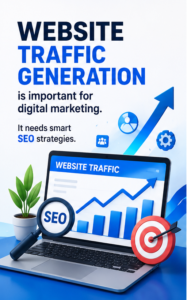
Higher traffic helps you:
-
-
-
-
-
-
-
-
-
-
-
- Improve brand awareness
- Generate more qualified leads
- Increase conversions
- Boost search engine rankings
- Build authority in your industry
- Create long-term business growth
-
-
-
-
-
-
-
-
-
-
Instead of chasing shortcuts, focus on sustainable methods that continue bringing visitors month after month.
1. Publish High-Quality Content Consistently
Why Content Is Still King
Content remains one of the strongest ranking factors for search engines. When your articles provide useful, original, and well-structured information, people stay longer on your website, share your content, and are more likely to return.
Search engines reward websites that consistently publish valuable content because it improves the user experience.
Tips for Creating Quality Content
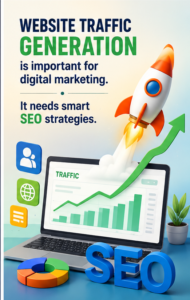
- Solve a real problem.
- Write in simple language.
- Use examples whenever possible.
- Include updated information.
- Add relevant images and graphics.
- Structure content using proper headings.
Instead of writing only for search engines, always write for real people. A helpful article naturally performs better over time.
Focus on User Intent
Before writing any blog post, ask yourself:
- What is the reader searching for?
- What problem are they trying to solve?
- Can my content answer every important question?
Matching search intent increases engagement and improves rankings.
2. Optimize Your Website for SEO
What Is SEO?
Search Engine Optimization (SEO) is the process of improving your website so search engines can understand and rank your content more effectively.
Without SEO, even the best content may struggle to reach its audience.
On-Page SEO Best Practices 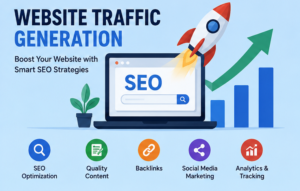
- Use your primary keyword naturally.
- Write compelling page titles.
- Add meta descriptions.
- Use H1, H2, and H3 headings properly.
- Optimize image alt text.
- Create SEO-friendly URLs.
- Improve internal linking.
- Keep paragraphs short and readable.
Technical SEO Matters Too
Many websites lose traffic because of technical issues such as:
- Slow loading speed
- Broken links
- Mobile usability problems
- Duplicate content
- Poor site structure
Fixing these issues helps search engines crawl your website more efficiently.
Don’t Stuff Keywords
A common mistake is repeating the same keyword too many times.
Instead of forcing keywords into every sentence, use related phrases naturally throughout your content. Modern search engines understand context better than ever.
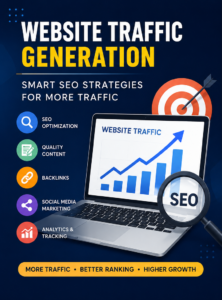
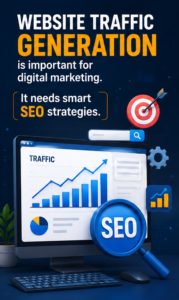
“Website traffic generation is important for digital marketing. It needs smart SEO strategies.”
3. Create Content Around Long-Tail Keywords
Why Long-Tail Keywords Work
Highly competitive keywords can be difficult for newer websites to rank for.
Instead, focus on long-tail keywords because they:
- Have lower competition
- Attract targeted visitors
- Improve conversion rates
- Match specific user intent
For example:
Instead of targeting:
Digital Marketing
Try:
- Best digital marketing strategies for small businesses
- Digital marketing tips for beginners
- How to learn digital marketing from home
These keywords attract visitors who are looking for detailed information rather than general topics.
How to Find Long-Tail Keywords
You can use tools like:
- Google Search Suggestions
- Google Keyword Planner
- AnswerThePublic
- Ubersuggest
- Google Search Console
Build your content around questions people actually search for.
4. Promote Your Content on Social Media
Don’t Just Publish—Promote
Many website owners spend hours writing articles but only a few minutes promoting them.
Promotion is equally important.
Social media platforms allow you to reach new audiences and encourage readers to visit your website.
Best Platforms for Website Promotion
Depending on your niche, consider:
- X (Twitter)
- Quora
Every platform has a different audience, so customize your content instead of posting the exact same message everywhere.
Create Shareable Content
People are more likely to share content that is:
-
-
-
-
-
-
-
-
-
-
- Educational
- Inspirational
- Entertaining
- Data-driven
- Easy to understand
-
-
-
-
-
-
-
-
-
Adding infographics, short videos, or simple visuals can significantly improve engagement and increase traffic.
Coming Up Next
In Part 2, you’ll learn:
- Build High-Quality Backlinks
- Use Email Marketing to Drive Repeat Visitors
- Improve Website Speed and User Experience
- Refresh and Update Old Content
These strategies help turn occasional visitors into loyal readers while improving your overall search rankings.